Polish Phrases for Travel: A Tourist's Pocket Guide
Learning · EN
JUNE 26, 2026
The Polish phrases you actually use as a traveller - airports, hotels, restaurants, transport, and the polite words that change how locals treat you.
You can travel through Poland on English in the big cities - Warsaw, Kraków, Gdańsk - and most service-industry staff will understand you. But that is not really why you learn the language. A traveller who can say "dzień dobry" and "dziękuję" gets warmer service, better recommendations, and the local respect that English-only tourists never see. This guide is the short list of phrases that actually pay off in a one-week trip: not a beginner's textbook, but the exact words you will reach for at the airport, the restaurant, and the taxi.
The four phrases that change everything
Before any list, four phrases. If you only learn four things in Polish before your trip, learn these, and learn them well enough to say without thinking:
01
Dzień dobry
"Good day." Use this entering any shop, restaurant, hotel, or office. It is the universal polite greeting and Poles will visibly relax when they hear it from a foreigner.
02
Dziękuję
"Thank you." Say it constantly. Polish service culture values politeness highly and "dziękuję" with a smile carries more weight than a generous tip in many countries.
03
Proszę
"Please / You're welcome / Here you go." The Swiss Army knife of Polish. Use it when asking for something, when handing something over, and when responding to "dziękuję."
04
Przepraszam
"Excuse me / Sorry." Use it to get attention before asking a question, to apologise, and to squeeze past someone in a crowd.
These four phrases will not get you fluent. They will, however, change the temperature of every interaction you have. That is a remarkable return on twenty minutes of practice.
Ornamented facade · Warsaw
At the airport and on arrival
01
Bagaż
Luggage
02
Odbiór bagażu
Baggage claim
03
Gdzie są taksówki?
Where are the taxis?
04
Ile do centrum?
How much to the city centre?
05
Czy może pan włączyć taksometr?
Could you turn on the meter? (formal, to a male driver)
06
Karta
Card (for paying)
07
Gotówka
Cash
08
Czy można płacić kartą?
Can I pay by card?
09
Reszta
Change (money)
10
Reszta dla pana
Keep the change (formal, to a man)
At the hotel
01
Mam rezerwację
I have a reservation
02
Pokój jednoosobowy
Single room
03
Pokój dwuosobowy
Double room
04
Czy jest śniadanie w cenie?
Is breakfast included?
05
O której godzinie jest śniadanie?
What time is breakfast?
06
Klucz, proszę
The key, please
07
Wi-fi nie działa
The wi-fi isn't working
08
Czy mogę prosić o jeszcze jeden ręcznik?
Could I have another towel?
09
O której godzinie muszę się wymeldować?
What time do I check out?
10
Czy mogą państwo wezwać taksówkę?
Could you call a taxi? (formal, plural)
Wawel Castle · KrakówOgrodzieniec ruins
In restaurants and cafes
Polish restaurant phrases are some of the most useful because food is where you will spend the most time interacting with locals. Two things to remember: Polish servers will appreciate a "dzień dobry" when they approach the table, and the standard tip is around 10% in cash, not added to the card payment.
01
Stolik dla dwóch, proszę
A table for two, please
02
Czy można usiąść na zewnątrz?
Can we sit outside?
03
Poproszę menu
The menu, please
04
Czy jest menu po angielsku?
Is there a menu in English?
05
Co pan poleca?
What do you recommend? (formal, to a man)
06
Czy to jest ostre?
Is this spicy?
07
Jestem wegetarianinem
I am vegetarian (m)
08
Jestem wegetarianką
I am vegetarian (f)
09
Czy to zawiera gluten?
Does this contain gluten?
10
Woda niegazowana
Still water
11
Woda gazowana
Sparkling water
12
Pyszne
Delicious
13
Rachunek, proszę
The bill, please
14
Razem czy osobno?
Together or separately?
Getting around: trains, trams, and taxis
01
Dworzec główny
Main station
02
Peron
Platform
03
Bilet do...
A ticket to...
04
W jedną stronę
One-way
05
Powrotny
Return
06
O której godzinie odjeżdża następny pociąg?
What time does the next train leave?
07
Czy ten pociąg jedzie do...?
Does this train go to...?
08
Tramwaj
Tram
09
Autobus
Bus
10
Przystanek
Stop
11
Gdzie wysiadam?
Where do I get off?
12
Następny przystanek
The next stop
13
Uber
Uber (yes, it works)
14
Czy może pan zawieźć mnie pod ten adres?
Can you take me to this address? (formal, to a man)
Neptune's Fountain · Gdańsk
In the field
Dzień dobry gets you warmer service than any guidebook ever will.
Shopping and sightseeing
01
Ile to kosztuje?
How much is this?
02
Czy macie to w większym rozmiarze?
Do you have this in a bigger size?
03
Czy mogę przymierzyć?
Can I try this on?
04
Tylko oglądam, dziękuję
I'm just looking, thanks
05
Wezmę to
I'll take it
06
Otwarte
Open
07
Zamknięte
Closed
08
Kasa
Cash register / Checkout
09
O której godzinie zamykacie?
What time do you close?
10
Wejściówka
Admission ticket
11
Bilet ulgowy
Reduced-price ticket (students, seniors)
12
Czy można robić zdjęcia?
Is it OK to take photos?
13
Gdzie jest toaleta?
Where is the toilet?
Emergencies and getting help
01
Pomocy!
Help!
02
Potrzebuję lekarza
I need a doctor
03
Boli mnie...
I have pain in... (literally "it hurts me...")
04
Apteka
Pharmacy
05
Szpital
Hospital
06
Wezwijcie policję
Call the police
07
Wezwijcie karetkę
Call an ambulance
08
Zgubiłem się
I'm lost (m)
09
Zgubiłam się
I'm lost (f)
10
Zgubiłem portfel
I lost my wallet (m)
11
Czy mogę skorzystać z pana telefonu?
Could I use your phone? (formal, to a man)
12
Mówi pan po angielsku?
Do you speak English? (formal, to a man)
How to learn these in time for your trip
You do not need months. A week of focused, daily practice with spaced repetition will lock in the core eighty phrases above with enough fluency to use them under pressure - in a noisy restaurant, at a taxi window, in front of a customs officer. The trick is daily practice, not long practice. Twenty minutes a day for seven days beats two hours on the plane. Vocabingo schedules each phrase for review at the moment your memory is about to fade, which is the only way to make this stick before you actually need it.
A note on formality
Polish uses formal address (pan/pani) by default with strangers - including waiters, taxi drivers, hotel staff, and anyone older than you. Using the informal "ty" with strangers is genuinely rude in Polish in a way that "tu" is not in modern French. When in doubt, default to formal: "Czy może pan...?" ("Could you, sir...?") rather than "Czy możesz...?" ("Could you...?"). You will rarely offend anyone by being too polite.
“
A few words in the local language are worth more than a guidebook full of facts. They tell people you came for them, not just for the sights.
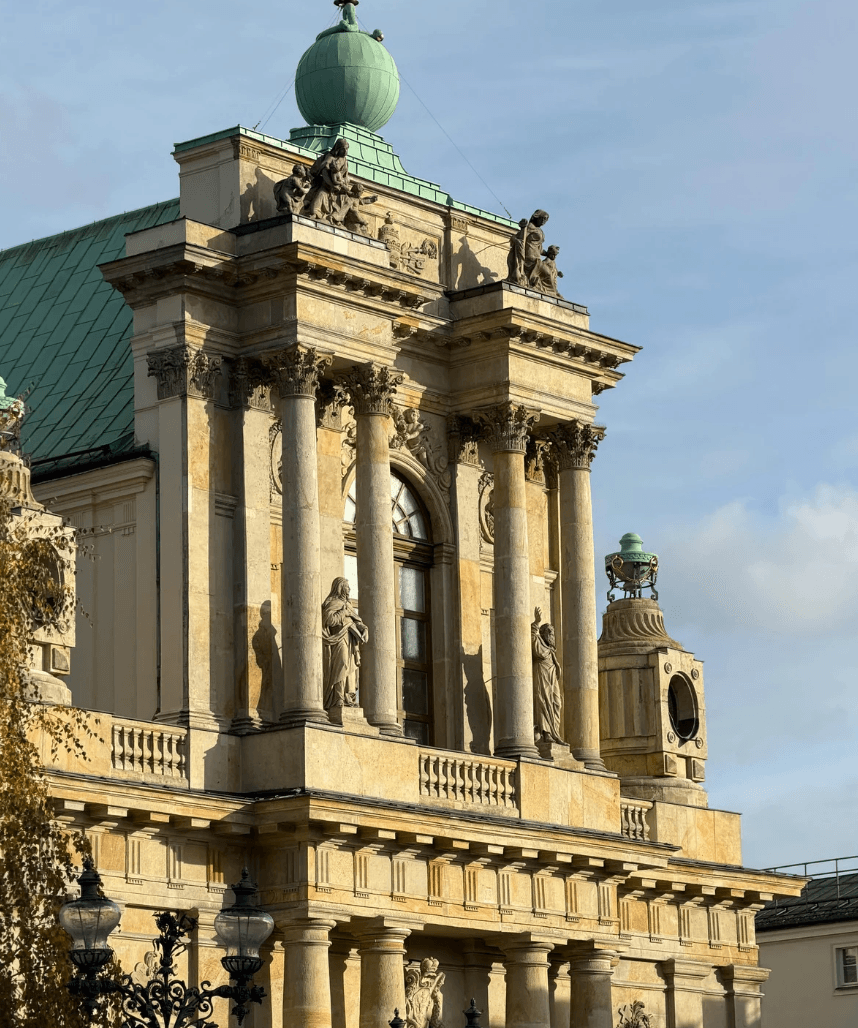 Ornamented facade · Warsaw
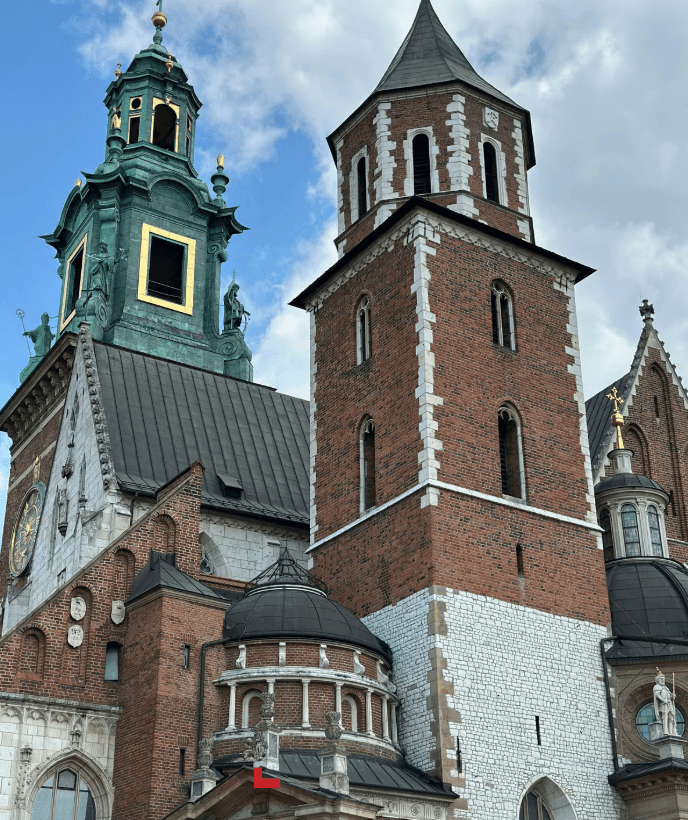 Wawel Castle · Kraków
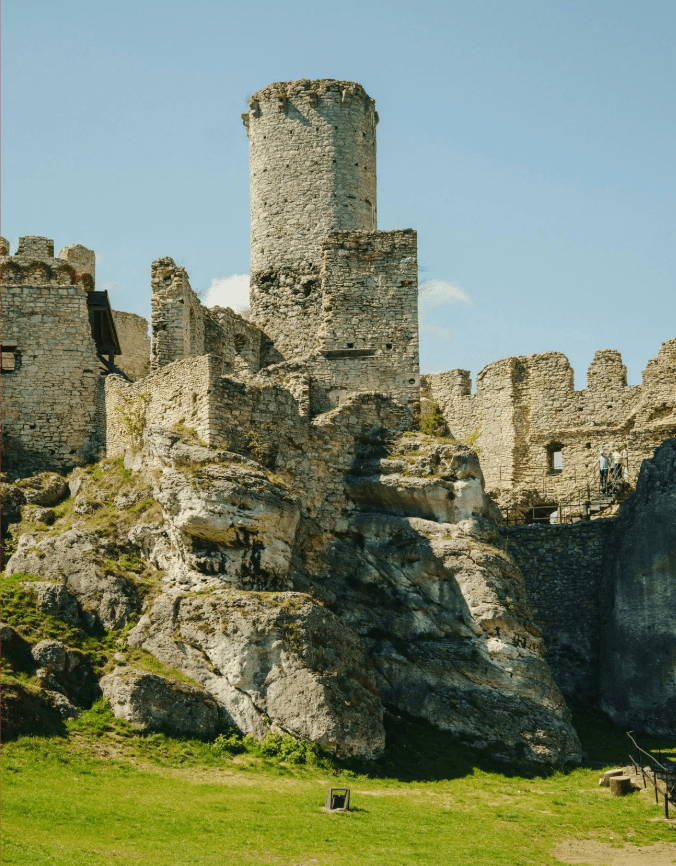 Ogrodzieniec ruins
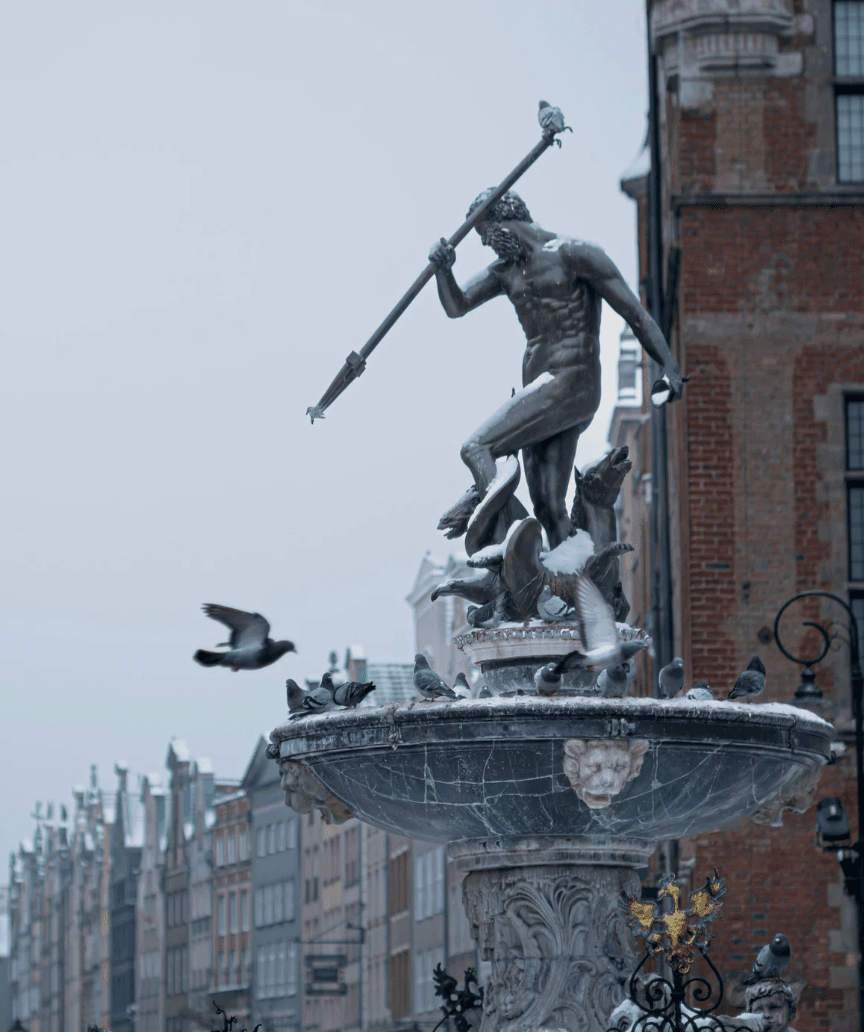 Neptune's Fountain · Gdańsk
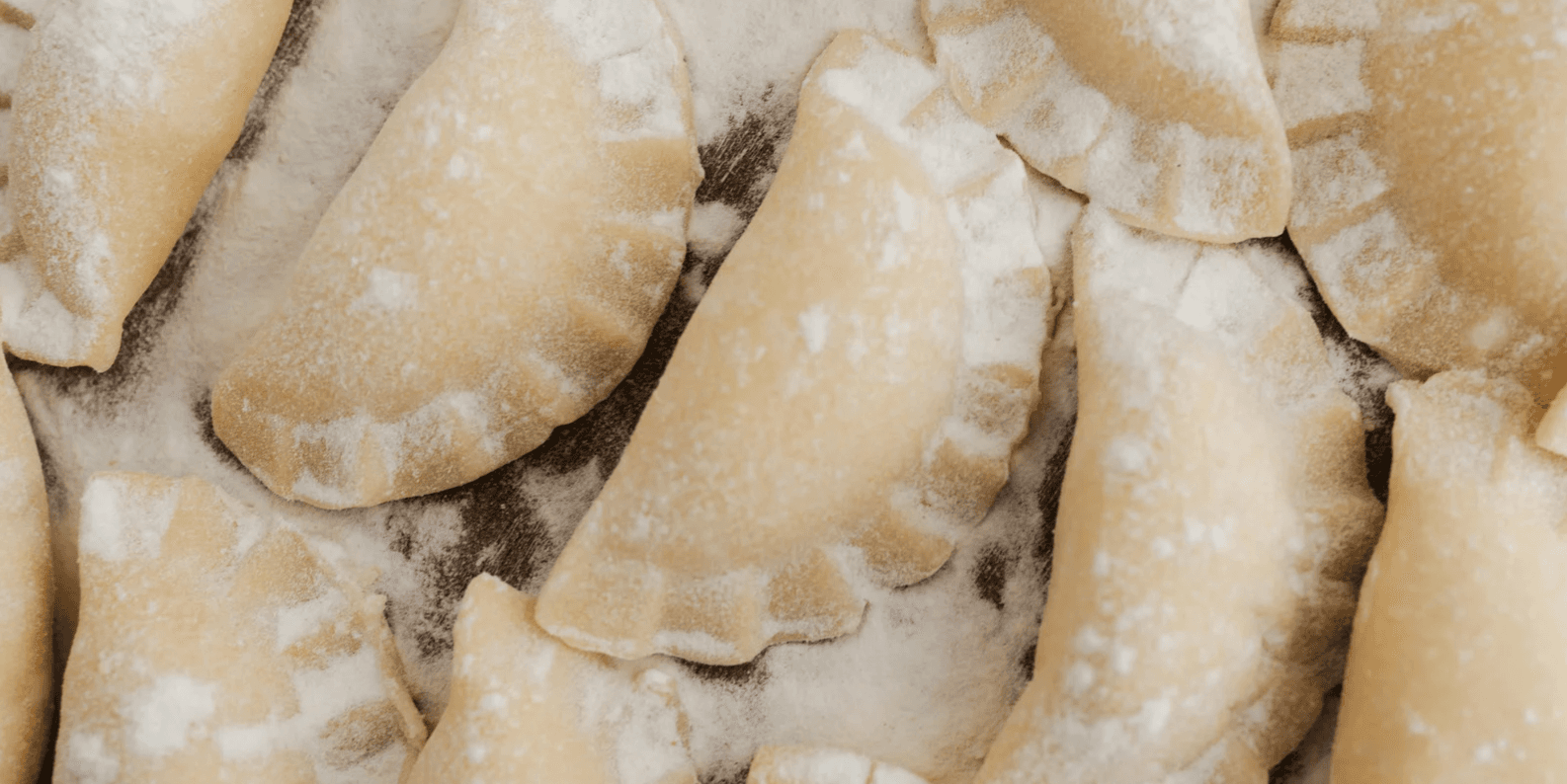 Pierogi, ready for the pot